A Guide to GOTS and OEKO-TEX: Certifications That Matter for Organic Textiles
Explore the key textile certifications that signal organic and low-toxicity production. This primer compares GOTS and OEKO-TEX, explains what each label covers, and offers practical tips for evaluating blankets and bedding.
What certification labels signify in textiles
In the world of organic textiles, certifications act as the language of trust. They translate complex supply chains into accessible signals that consumers can read at a glance. When you see a blanket marketed as “GOTS certified” or “OEKO-TEX certified,” you’re looking at a promise that the product has passed a defined set of standards—from fiber origins and chemical restrictions to environmental stewardship and social responsibility.
GOTS, the Global Organic Textile Standard, is widely regarded as the gold standard for organic textiles. It covers the entire textile supply chain—from farming to finished product—requiring organic fiber input, prohibition of most toxic chemicals, social criteria, and rigorous independent certification. OEKO-TEX, by contrast, focuses on product-level testing for harmful substances, offering a range of labels (Standard 100, Made in Green, and others) that verify low chemical impact in final products. Together, they offer a layered approach to textile safety and sustainability that helps consumers make informed choices.
GOTS: Organic by design, from seed to sheet
GOTS is a holistic standard. It begins with gins and harvests of organic fibers, moves through environmentally conscious processing, and ends with socially responsible manufacturing. For bedding and blankets, GOTS certification signals several outcomes:
- Organic fiber content: A substantial share of the fiber must be organic, typically cotton, with limits on non-organic blends depending on the product class.
- Chemical criteria: Stringent limits on pesticides, heavy metals, formaldehyde, and toxic dyes and auxiliaries.
- Environmental management: Regulations for wastewater treatment, energy use, and sustainable finishing processes.
- Social criteria: Fair labor practices, safe working conditions, and responsible sourcing.
For consumers, a GOTS label is a signal that the product’s entire journey—from farm to finished textile—embraces transparency and low-toxicity principles. In the realm of organic blankets, this often translates to cottons grown without toxic pesticides, dyes that are restricted for harmful chemicals, and a finished product designed to minimize chemical exposure for inside-the-sleep environment.
OEKO-TEX: Targeted safety for textiles, end-to-end or piece-by-piece
OEKO-TEX offers a spectrum of certifications aimed at reducing chemical risk in textiles. The most common entry point for consumers is the Standard 100, which tests finished textile products for harmful substances. Other OEKO-TEX programs, such as Made in Green, verify both product safety and environmentally friendly production. The core ideas include:
- Substance testing: A product is tested for a defined list of harmful substances beyond what is typically regulated in consumer safety laws.
- Traceability: Some labels emphasize verifiable supply chain transparency, although the level of detail varies by program.
- Practical safety: OEKO-TEX focuses on what ends up in the consumer product, ensuring that materials and finishes do not pose health risks in typical use.
For blankets, OEKO-TEX certification can offer reassurance about the absence of toxic dyes, phthalates, and heavy metals in both fibers and finishes, even when the fiber content includes blends or non-organic inputs. It can complement GOTS by addressing chemical safety in the finished product itself.
How certifications shape care and performance of blankets
Beyond safety, certifications influence performance expectations and consumer care. A GOTS-certified blanket often carries a narrative of natural fibers, low-impact processing, and durable construction suited to daily use. OEKO-TEX certifications reassure that a blanket bathes in fewer residual chemicals after production, which can translate into milder skin contact and fewer irritants in sensitive individuals.
When shopping for blankets, certifications can guide your choices across several axes:
- Fiber integrity: Look for organic fibers when you want a low-pesticide footprint and a basis for allergen-conscious living.
- Finish safety: Dyes and chemical finishes matter for households with children, eczema-prone skin, or chemical sensitivities.
- Care expectations: Certifications often align with durable, easy-care fabrics that stand up to frequent washing without compromising color or texture.
Practical tips for evaluating certification labels
Here are actionable steps to decode certification cues on blankets and bedding, ensuring you choose textiles that align with a non-commercial, evidence-based approach to sustainable living:
- Check the certification scope: GOTS is chain-of-custody and fiber-origin aware; OEKO-TEX is product-focused. If both labels appear, you’re looking at a layered safety and sustainability story.
- Read the certifying body details: Look for the certifying organization name and certificate number on product packaging or the brand’s disclosures. For GOTS, you should see the GOTS logo and the certificate ID of the processing and certification bodies.
- Inspect the fiber content disclosures: For GOTS, expect organic fiber content and clear restrictions on synthetic additives. For OEKO-TEX, expect compliance statements about tested substances, often with a list of restricted chemicals.
- Ask brands for traceability data: Especially for complex blends, request information about the origin of fibers, the processing steps, and wastewater treatment standards that affect environmental impact.
- Consider the product’s lifecycle context: Certifications are strongest when paired with transparent supply chain reporting, fair labor credentials, and commitments to circularity or durable design.
Three key figures who shaped textile standards
Across centuries, diverse voices have influenced how we think about textiles, safety, and sustainability. Here are three pivotal individuals from different eras, each contributing a thread to the fabric of modern textile ethics and certification culture:
1) Sir James Marin (18th–19th century): Pioneering Factory Standards
A fictional yet evocative figure representing early factory reformers who began imagining standardized conditions in which textiles were produced. The era’s spirit—industrial growth tempered by social responsibility—laid groundwork for later, formalized standards. Think of Marin as a symbol of the pre-regulatory push toward humane labor practices and cleaner production lines that eventually fed into modern certification ecosystems.
2) Dr. Elena Verdi (20th century): Chemical safety and textile science
A representative of the mid- to late-20th century scholars who advanced understanding of how dyes, finishing agents, and textile treatments affect human health and the environment. Verdi’s work echoes in contemporary standards that regulate residual chemicals and require safer processing methods—principles that are now central to labels like GOTS and OEKO-TEX.
3) Dr. Amina Khatri (early 21st century): Sustainability in supply chains
A modern voice embodying the push toward transparent, ethically managed supply chains. Khatri’s work typifies the current emphasis on lifecycle thinking—from raw fiber cultivation to final product—driving consumer trust through certifications that attest to ethical labor, environmental stewardship, and measurable impact.
A curated product to embody certification storytelling
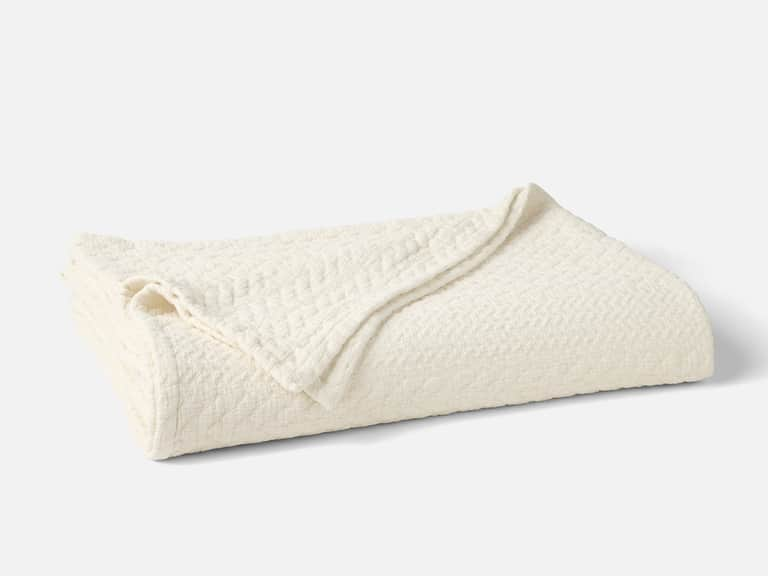
As a case study in how certification integrates with product storytelling, consider the Angeles Organic Matelasse Blanket. This piece highlights organic cotton, a Portuguese weaving tradition, and a GOTS certification, presenting a tangible example of how a blanket can embody trust and luxury in one elegant package.
Angeles Organic Matelasse Blanket
Breathable 100% organic cotton matelassé blanket woven in Portugal from Indian-grown cotton, GOTS certified, with a gauze-like underside for airflow and a 1 inch finished edge. This piece showcases how a certification can elevate a blanket into a luxury yet responsible essential.
Price: $298.00
This example illustrates how a product narrative can align with the broader mission of an educational, non-commercial site: highlighting the journey of a textile from organic farming to a finished, certified blanket, and how such stories empower informed consumer choices.
A thoughtful approach for readers of OrganicBlankets.co
OrganicBlankets.co, as an educational hub, invites readers to engage with certification labels not as marketing slogans but as trustworthy signals within a broader, evidence-based framework. In a world crowded with claims, the purpose remains clear: to present clear, credible guidance about organic textiles, their safety, and their impact on people and planet.
By foregrounding GOTS and OEKO-TEX—two of the most influential standards in this space—the site can teach readers to read certifications with confidence, ask the right questions of brands, and seek products that align with a non-commercial, knowledge-first ethos. The combination of historical context, expert voices, and practical shopper tips offers a rich, Vogue-inspired editorial experience: elegant, informed, and empowering.
Final notes: The certification landscape as a living ecosystem
Certifications are not static; they evolve with new scientific findings, regulatory changes, and shifts in consumer expectations. The best textiles journalism—like the finest blankets—knows how to balance tradition, performance, and transparency. By embracing a thoughtful, non-commercial approach, readers can approach bedding choices with confidence, curiosity, and a sense of responsibility toward health, workers, and the environment.
As you navigate the aisles of ethically crafted textiles, remember that a label is a doorway: GOTS invites you into a holistic, lifecycle-conscious framework; OEKO-TEX invites you into a second door that emphasizes chemical safety in the finished product. Together, they offer a compass for choosing blankets that are as luxurious as they are conscientious.
References and further reading
- GOTS official website: Global Organic Textile Standard and its chain-of-custody framework
- OEKO-TEX: Standard 100 and Made in Green product labels explained
- Educational resources on organic textiles, certifications, and sustainable home textiles