Bedding · Materials & Comfort
How Wool Comforters Manage Warmth and Moisture
Wool has a particular talent for making warmth feel breathable. Its fibers hold insulating air while taking up some water vapor from the space around them, a combination that can make a wool comforter feel cozy without the sealed-in sensation some sleepers associate with heavier bedding. Understanding how fill, fabric and care work together helps you decide whether this natural fiber suits your room, your sleep habits and your approach to laundry.
Published November 22, 2026
The appeal of warmth without stuffiness
A comforter is more than a layer of insulation. It shapes the little climate between the sleeper and the room: how readily heat is retained, how air moves through the bedding and how the bed feels as the night changes. Wool is often chosen by people who want warmth but do not want that warmth to feel dense or clammy. Its character is not simply “warm”; it is a balance of insulation, fiber structure and the way the finished comforter is made.
Wool fibers have a naturally crimped structure. In a fill, that waviness helps create small pockets of still air, and still air slows the movement of heat. The result is insulation that can feel light relative to the warmth it provides. The effect depends on the amount and arrangement of the wool, however. A comforter with a generous fill will usually feel more substantial than a light, summer-weight version, even if both use wool.
Wool can also absorb some moisture vapor without immediately feeling wet to the touch. During sleep, the body releases heat and moisture, and bedding influences how that warmth and vapor are experienced. A breathable wool layer may help reduce the feeling of dampness for some sleepers, particularly compared with a comforter that feels less ventilated. This is not a promise of dry skin or a cure for night sweating: room temperature, humidity, pajamas, mattress materials and personal physiology all play a part.
The distinction matters because “temperature regulation” can sound like an active thermostat. A wool comforter does not monitor the sleeper or hold the bed at one precise temperature. Rather, wool’s structure and moisture interaction can contribute to a more comfortable range of conditions. The experience is individual, and the cover fabric and construction may be just as influential as the fiber itself.
A closer look at moisture management
When people talk about moisture in bedding, they may mean two different things: liquid sweat and water vapor. Wool is commonly valued for absorbing moisture vapor into its fibers, while remaining relatively comfortable in the surrounding fabric. That can help a wool comforter feel less immediately damp than a material that leaves moisture sitting on the surface. It does not mean wool can absorb an unlimited amount, nor that it will stay comfortable if it becomes soaked.
Moisture handling is also a matter of the whole sleep environment. A tightly woven casing may limit air movement more than a lighter, more open fabric. A thick duvet cover can alter the way the comforter breathes. So can a mattress protector, sheets, clothing and the ventilation in the room. If a bed feels too warm, changing only the filling may not solve the issue; a lighter cover, fewer layers or a cooler room may make a more noticeable difference.
Wool’s reputation for resisting odors or staying fresh between washes should not be mistaken for a guarantee of antimicrobial performance or a reason to neglect cleaning. Bedding still needs care, and spills, body oils, dust and everyday use accumulate. A removable duvet cover can protect the comforter and is generally simpler to launder than a filled piece. Follow the care label for the specific item rather than relying on broad claims about what wool can tolerate.
For sleepers who are particularly sensitive to heat, wool may be worth considering, but it is not automatically cooler than every alternative. The best choice depends on fill weight, weave, room conditions and personal preference. A lightweight wool comforter may feel airy; a dense, heavily filled one may feel very warm. Reading the construction details is more useful than treating the fiber name as a complete performance specification.
Fill weight: the detail that changes the feel
Fill weight describes the quantity of filling in a comforter, though manufacturers may present it in different ways. Some list the total fill weight for a particular size; others provide a weight per square yard or describe the comforter as lightweight, medium or all-season. These labels are useful starting points, but they are not always directly comparable across brands or dimensions. A larger comforter naturally requires more material than a smaller one.
As a general guide, lighter fills tend to suit warm bedrooms, warmer seasons or sleepers who prefer minimal insulation. Midweight designs can work for people seeking a versatile layer across much of the year, especially in a stable indoor climate. Heavier fills may appeal to those who sleep cold or live in a chilly room. The same fill can feel different depending on the shell fabric, quilting pattern and whether a duvet cover is added.
Pay attention to the comforter’s dimensions as well. A generous overhang can add a sense of enclosure and may increase the amount of fabric resting over the body. For shared beds, differing temperature preferences can make a single fill weight a compromise; separate blankets or individual layers may offer more flexibility. Choosing a comforter is less about finding a universal ideal than about matching insulation to the actual conditions in which it will be used.
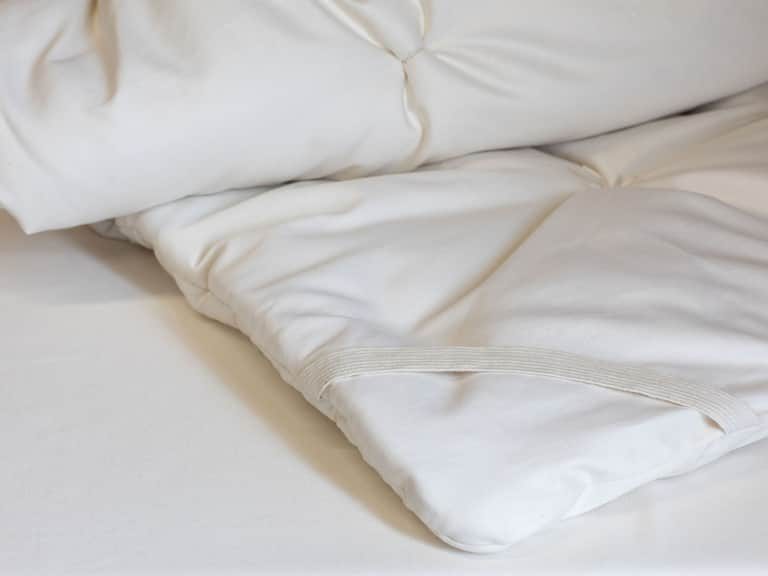
Some wool comforters are quilted or stitched in patterns that keep the fill distributed. This can help reduce shifting and preserve an even loft, though the exact construction varies. A product description that explains the fill, casing, stitching and dimensions offers a clearer picture than a broad promise of “year-round comfort.” Where possible, compare specifications for the same size and ask whether a stated weight refers to the wool alone or to the entire comforter.
The casing, quilting and layers around it
The fabric surrounding the wool is part of the comforter’s performance. Cotton is a common casing choice; its weave and finish affect softness, drape and air exchange. A smooth, tightly woven shell can contain the fill effectively, while the overall feel may be less airy than that of a lighter construction. The word “cotton” by itself does not tell you whether a casing is organic, how it was processed or what its weave feels like.
Construction can also affect how the comforter sits on the bed. Quilting or internal stitching may help keep fill in place, while the pattern influences how evenly the layer covers the body. Look for information about seams, edges and the method used to secure the filling. These are practical details, not merely finishing touches: a comforter that bunches or shifts can feel uneven even when its fiber is well suited to the sleeper.
Think in layers. A wool comforter under a duvet cover will feel different from one used directly against a sheet. The cover can protect the shell and provide a convenient surface to wash, but it also adds another textile to the system. In warmer months, some people may use a lighter wool layer on its own; in colder weather, it can be combined with sheets or a coverlet. Adjusting layers seasonally is often more comfortable than expecting one heavy comforter to serve every climate and preference.
Fiber labels should be read carefully. “Wool” can refer to different breeds, processing methods and sourcing systems, and wool blended with another fiber will not have identical properties to a comforter filled entirely with wool. If environmental or animal-welfare considerations are important to you, seek specific details about origin, traceability and standards rather than assuming that a natural material automatically means a particular farming or manufacturing practice.
How to assess wool bedding claims
Descriptions often use terms such as natural, breathable, hypoallergenic or temperature-regulating. These words can help frame a product’s intended qualities, but they do not replace precise information. “Natural” identifies a broad material category; it does not describe every stage of production. “Breathable” may refer to a fiber, fabric or complete construction, and the experience can vary with the other layers on the bed.
Certifications may provide useful context when they apply to the exact material or product in question. Read what a certification covers and check whether it relates to fiber processing, environmental or social criteria, chemical testing or another aspect of production. A certification should not be interpreted as proof that a comforter will prevent allergies, improve sleep or perform identically for everyone.
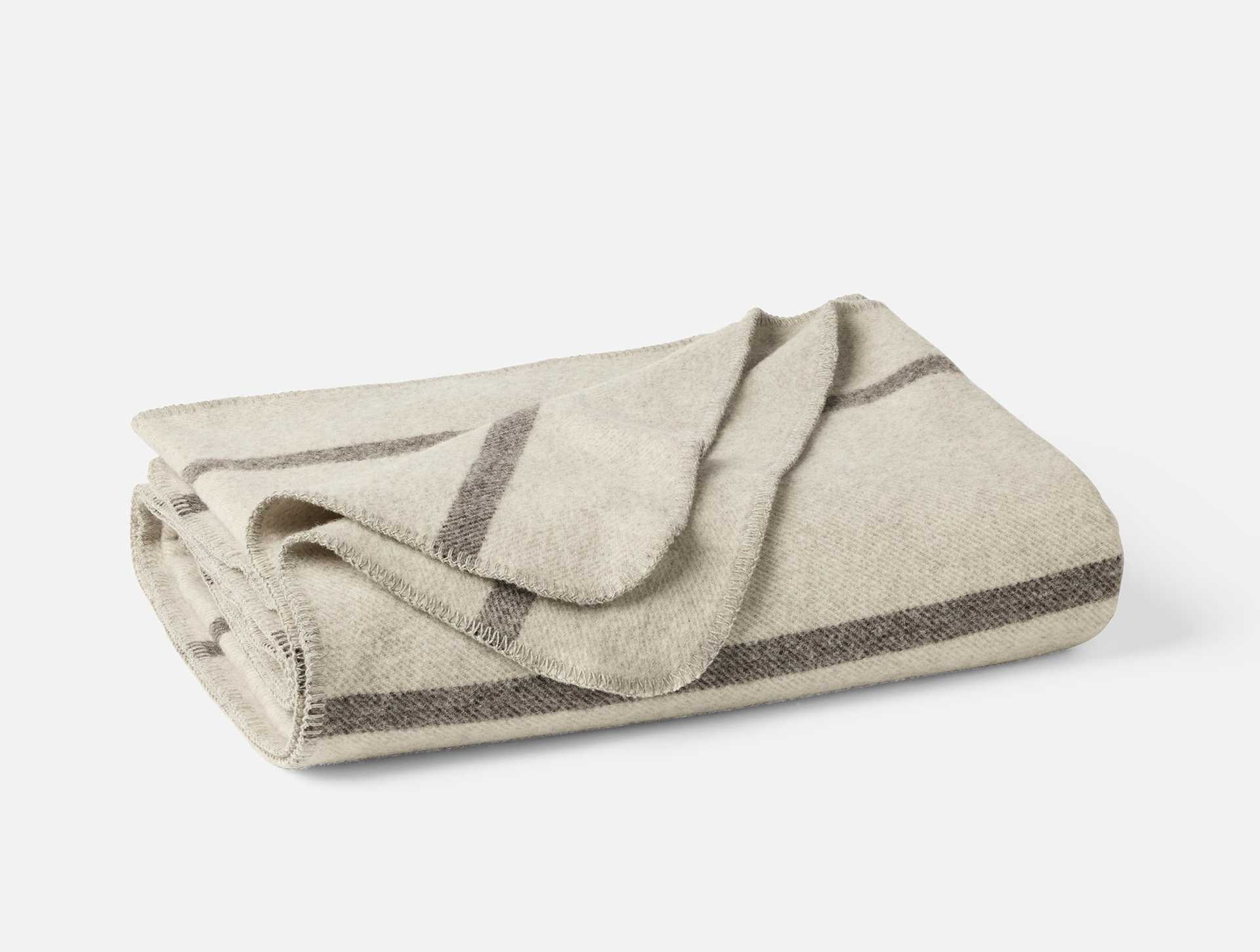
For example, a wool blanket made with traceable wool is not necessarily the same product as a filled wool comforter. The Tahoe Wool Blanket is described as 100% NATIVA Regen-Shaniko wool, woven at an American woolen mill and finished with brushing for a soft hand. It is a useful illustration of a wool layer’s material and sourcing details, but it is a blanket, not a comforter with a separate filling and casing. That distinction is important when comparing warmth, weight and care requirements. Learn more about the Tahoe Wool Blanket.
Good product information should make it possible to understand the fiber content, fill weight or equivalent warmth guidance, shell material, dimensions, construction, origin and care. If key details are missing, avoid filling in the gaps with assumptions. A thoughtfully chosen wool comforter is one whose specifications align with your needs—not simply one carrying the most persuasive descriptive language.
Care: protect the fiber, not just the appearance
Wool care varies substantially by product. Some wool bedding is designed for gentle washing; other pieces should be spot-cleaned, aired or taken to a professional cleaner. Washing instructions depend on the wool, the casing, the stitching and any finishes used. Always follow the care label supplied with the comforter. A general wool-care rule is not a substitute for the manufacturer’s directions.
Wool fibers can be vulnerable to rough agitation, high temperatures and sudden changes in handling. These conditions may encourage felting or shrinkage, and a bulky comforter can be difficult to wash and dry evenly at home. Unless the instructions explicitly permit machine laundering, do not assume that a household washer or dryer is suitable. High heat can be especially risky, while a comforter that remains damp for too long may develop an unpleasant odor.
For everyday upkeep, a duvet cover can reduce direct contact with skin oils and spills. Airing bedding in a dry, well-ventilated space may help refresh it between washes; follow the care guidance about sunlight and moisture, since practices that suit one product may not suit another. Treat small marks promptly in the manner recommended by the maker, and avoid saturating the filling unless the instructions say that washing is appropriate.
Storage matters too. Clean and fully dry the comforter before putting it away for a season. Store it in a dry, breathable container where practical, and protect wool from pests. Some makers recommend a tightly sealed bin or reusable bag for their specific wool pieces; follow those product directions. Avoid storing wool in a damp place, and inspect it before use if it has been packed away for a long period.
If a label recommends professional cleaning, factor that into the comforter’s everyday practicality. For some households, a washable cover and occasional specialist care are manageable. Others may prefer a bedding layer with simpler laundering. Neither choice is inherently better; the most suitable material is one you can maintain properly over time.
Who might appreciate wool comforters?
Wool may suit sleepers who like natural fibers, want a warm layer without choosing the heaviest possible fill, or find that moisture and stuffiness affect their sense of comfort. It can also appeal to people who prefer a material with a distinctive, resilient feel and are willing to follow its care instructions. The benefit is not that wool guarantees better sleep, but that its characteristics may fit a particular person’s preferences and bedroom conditions.
It may be less suitable for someone who needs a comforter that can be washed frequently in a standard machine, dislikes the feel or smell of wool, has a known wool sensitivity, or prefers a very cool, minimal layer. People with allergies or skin conditions should consider their own history and consult an appropriate health professional when needed. Fiber claims alone cannot establish that a bedding product will be safe or comfortable for every individual.
For babies and young children, bedding choices require special care. Loose blankets and comforters are not recommended in an infant’s sleep space; follow current safe-sleep guidance from qualified health authorities. A material’s softness, natural origin or breathability does not make a loose bedding item appropriate for an infant crib. Adult comforter advice should not be transferred to an infant sleep environment.
A considered checklist before choosing
- Match warmth to the room. Consider your climate, heating habits, season and whether you usually sleep warm or cold.
- Compare fill information. Look for the fill weight, weight per area or a clearly explained warmth category, and note the comforter size.
- Read the full material description. Check the wool content, casing fiber, blends, origin and any relevant certification details.
- Consider construction. Quilting, stitching, shell weave and edge finishing influence how the comforter feels and how evenly the fill stays distributed.
- Plan for care. Confirm whether the item is machine washable, spot-clean only or intended for professional cleaning before making it part of your routine.
- Evaluate the complete bed. Sheets, duvet covers, mattress protectors and room ventilation all contribute to warmth and moisture comfort.
One practical approach is to begin with the smallest change that addresses the problem. If your current bed feels too warm, try removing a layer or choosing a lighter cover before replacing every component. If you feel cold, consider whether the room, draft protection or the comforter’s fill weight is the main issue. This kind of measured adjustment reveals more about your preferences than relying on a single “all-season” label.
Questions readers often ask
Are wool comforters good for hot sleepers?
They can be worth considering if you want insulation that does not feel excessively dense, but no fiber makes every sleeper cool. A lightweight fill, breathable casing, light duvet cover and well-ventilated room may matter as much as the wool itself. If you regularly overheat, compare the complete construction and warmth rating rather than relying on a material claim alone.
Does wool keep a comforter dry?
No. Wool can absorb some moisture vapor, which may contribute to a less clammy feel, but it cannot prevent perspiration or remain comfortable when saturated. Persistent sweating may have causes beyond bedding, and a comforter cannot diagnose or treat them.
Can I wash a wool comforter at home?
Only if the care instructions say that home washing is suitable. Some wool bedding requires spot cleaning or professional care. Check the label before washing, and do not use heat or agitation that the maker has not approved.
Is wool the same as organic wool?
No. Wool describes the fiber; organic wool refers to wool produced under a particular set of organic standards. The meaning and verification depend on the applicable certification. Check whether the claim applies to the wool itself, the finished product or another part of the supply chain.
Will a wool comforter work all year?
That depends on fill weight, room temperature, bedding layers and personal preference. A lighter comforter may work through more of the year in a moderate climate, while a heavier one may feel too warm during summer. Seasonal layering gives you more control than expecting one weight to suit every condition.
The lasting comfort of informed choice
Wool’s appeal lies in its nuanced performance: crimped fibers hold insulating air, while the fiber can take up some moisture vapor. Together, those qualities help explain why wool bedding is often associated with warmth that still feels breathable. Yet the experience of a wool comforter depends on its fill weight, casing, stitching, duvet cover, room and sleeper—not on fiber alone.
Choose by asking practical questions. How warm should the bed feel? How much maintenance are you willing to take on? What does the product description actually establish about fill, construction and origin? A clear answer to those questions is more valuable than an extravagant promise. The result is a bed that feels considered: comfortably warm, appropriately layered and cared for in a way that lets its materials last.